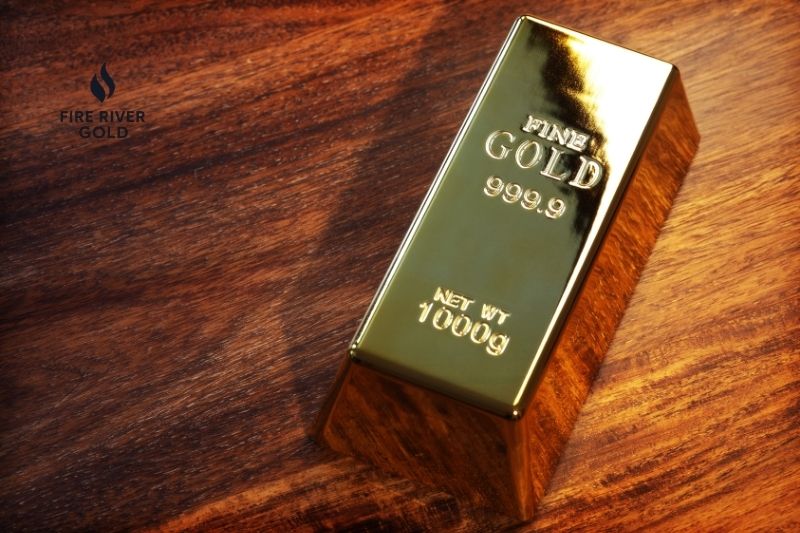
In 2022, while both stocks and bonds posted significant losses, gold held its ground and even gained in some currencies. That’s no coincidence.
Gold often moves independently of traditional assets, which is one reason it’s been a cornerstone of wealth preservation for centuries.
Investors turn to gold not just for its history but also for its ability to act as a stabilizer when markets are anything but stable. As a precious metals expert, I’ve seen this time and time again.
So, is gold a good investment? The answer depends on how you view risk, returns, and long-term strategy.
From ancient coins to modern ETFs, gold offers a range of ways to participate in the market, but like any investment, it comes with trade-offs.
Understanding how gold fits into a diversified portfolio is key, especially when inflation, currency shifts, and global uncertainty are top of mind.
In this article, we’ll explore:
Why gold is considered a hedge against inflation and a safe haven during crises.
How gold performs during market downturns and economic instability.
The different ways to invest in gold, from physical bullion to ETFs and mining stocks.
What risks and limitations come with investing in gold.
How to integrate gold into a long-term investment strategy, especially for beginners.
My hope is that you’ll soon have a clear, balanced understanding of whether gold deserves a place in your portfolio and how to approach it if you decide it does.
Is Gold a Good Investment?
Gold has long captured the attention of investors, economists, and governments alike. Its unique place in both history and modern finance continues to prompt the question “Is investing in gold a good idea?”
Historical Role of Gold
Gold’s function as a store of value dates back thousands of years. Ancient civilizations used it not only as currency but also as a symbol of power and wealth.
In more recent history, the gold standard pegged national currencies to a fixed amount of gold, offering price stability and global trust in monetary systems.
Although the gold standard ended in the 20th century, the legacy remains. Gold’s historical credibility as a medium of exchange and wealth preservation still influences how it is viewed today.
Modern Perception of Gold
Today, gold is widely seen as a safe-haven asset. Investors frequently turn to it during periods of uncertainty, such as market crashes, geopolitical conflicts, or inflationary pressures.
Its value tends to remain stable, or even increase, when fiat currencies are losing purchasing power. This perception has helped gold maintain a consistent role in diversified portfolios, especially when traditional assets underperform.
Benefits of Investing in Gold
Gold offers several strategic advantages that make it attractive in both calm and turbulent markets.
Diversification and Portfolio Balance
Gold has a low or even negative correlation with equities and bonds, meaning it often moves independently of these markets.
Gold is typically recommended as 5–10% of a well-diversified portfolio.
It has historically performed well during periods when traditional assets have struggled.
Inflation Hedge and Currency Weakness
Gold is often viewed as a hedge against inflation.
Gold is priced in dollars globally, so when the dollar weakens, gold often strengthens.
In high-inflation environments, investors often seek out hard assets such as gold to preserve their wealth.
Safe Haven During Economic Uncertainty
Gold shines brightest during times of crisis.
Gold’s tangible nature and independence from any single government or institution make it a trusted asset during global disruptions.
In 2022, gold held its ground while both stocks and bonds posted losses.
Risks and Limitations of Gold Investments
Despite its strengths, gold has certain drawbacks.
No Cash Flow or Yield
Gold does not pay dividends or interest.
Investors seeking regular income may find gold less appealing.
Holding gold may lead to opportunity costs compared to income-generating assets.
Price Volatility and Timing Risk
Gold’s price can be volatile.
Emotional buying during crises can lead to poor timing and underperformance.
Short-term price swings can be significant.
Tax Implications
Tax treatment can be a disadvantage.
In many jurisdictions, physical gold is classified as a collectible, resulting in higher capital gains tax rates.
Some gold ETFs and funds may carry unique tax liabilities.
Types of Gold Investments
Each gold investment type offers distinct pros and cons, which is something I always explain in great detail when a potential investor questions me about the best way to purchase gold. There really isn’t one right answer here; what matters most to you should swing your decision.
Physical Gold (Bullion, Coins)
Includes bars, coins, and jewelry purchased for investment.
Requires secure storage and insurance.
Involves dealer premiums and higher transaction costs.
Exposed to business-specific risks such as production costs and management.
Digital Gold and Derivatives
Stored electronically and backed by physical reserves.
Futures and options are complex and high risk.
How To Invest in Gold for Beginners
In most cases, it’s best to speak with your financial advisor before making a significant investment. That said, here is a simple guide for getting started:
Setting Goals and Determining Allocation
Are you hedging inflation or preserving wealth?
Advisors often suggest allocating 5–10% of your portfolio.
Choosing the Right Investment Vehicle
Physical gold: Good for direct ownership.
ETFs and mutual funds: Ideal for simplicity and liquidity.
Mining stocks: For those seeking growth.
Digital gold: For advanced investors.
Where and How To Buy Gold
Reputable dealers, online platforms, and coin shops.
Prioritize platforms with transparency and secure storage options.
When Is the Best Time To Invest in Gold?
Economic Conditions That Favor Gold
Gold tends to do well when:
Inflation rises.
Stock markets are unstable.
Geopolitical tensions increase.
Long-Term vs. Short-Term Strategy
Gold is best held long-term as a stabilizing asset.
Market timing often leads to missed gains or losses.
Creating a Gold-Inclusive Investment Strategy
Portfolio Integration
I recommend combining gold with stocks, bonds, and real estate.
It reduces downside risk and stabilizes performance.
Rebalancing and Monitoring
Rebalance annually or after significant changes.
Lock in gains if gold surges to maintain target allocation.
Gold as a Strategic Asset in Your Portfolio
Gold has proven its value through centuries of change. While it lacks income and may underperform stocks long-term, it excels at diversification and crisis protection.
A well-thought-out allocation backed by clear goals can make gold a smart part of your strategy. Whether you prefer bullion, ETFs, or stocks, Fire River Gold is ready to guide your next step.
Gold prices have surged more than 15% in the past year, yet many people walk away with far less than market value when they sell.
Wondering why? Where and how you sell gold can mean the difference between getting 75% and upwards of 98.5% of its true worth. That gap can cost you hundreds, or even thousands, of dollars.
As the founder of Fire River Gold and a precious metals expert with over 20 years in the industry, I have plenty of experience when it comes to getting the best price when selling gold.
If you’re asking, “Where can I sell my gold for the most money?” or “What’s the best way to sell gold jewelry?” you’re in the right place.
Whether you’re holding 14K chains, 24K bullion bars, or broken scrap gold, this guide will show you how to turn your items into the highest possible payout safely and confidently.
I’ll explain:
How gold is priced and what factors influence its value.
The pros and cons of selling to online buyers versus local shops.
What to watch for to avoid scams and lowball offers.
Step-by-step instructions for selling gold both online and in person.
Which buyers consistently pay the most and how to compare them.
You’ll soon know exactly where to sell your gold for the most money, how to evaluate offers, and how to avoid common mistakes so you can sell with clarity and walk away with the highest return possible.
Understanding How Gold Is Priced
Before you sell, it helps to understand how gold value is calculated.
Gold buyers base their offers on three main factors: the current spot price of gold, the purity of your gold, and the weight of your gold. Understanding these elements will help you evaluate offers and spot a good deal.
Spot Price and Market Value
The spot price of gold is the current trading price for one gram or ounce on international markets. It fluctuates daily based on supply, demand, and economic conditions.
You can check the live spot price on financial news sites or gold pricing calculators like Cash for Gold Calculator. Knowing the current spot price is also essential when considering the best way to purchase gold.
Purity and Karat Levels
Gold purity is measured in karats, with 24K being pure gold. Common jewelry karat levels include:
24K: 99.9% pure
18K: 75% pure
14K: 58.3% pure
10K: 41.7% pure
Higher karat gold contains more actual gold and commands a higher price per ounce or gram. Knowing the karat level helps you estimate its true value so you can avoid lowball offers and walk away certain that you got a fair deal.
Weight and Form Matter
Gold is weighed in grams or troy ounces. The more it weighs, the more it’s worth, but the form your gold takes also affects the payout.
Pure gold coins and bullion bars almost always fetch higher offers than broken jewelry or dental gold.
Bullion and coins: Often receive up to 98.5% of spot price.
Scrap jewelry: Typically earns between 75% and 95% of spot value, depending on the karat and buyer.
Gold-filled or plated items: Little to no melt value.
Online vs. Local Gold Buyers
Where is the best place to sell gold? Well, it really depends on whether your priority is speed, payout, or personal interaction. Online and local buyers both have pros and cons.
Online Buyers: High Payout and Convenience
Reputable online gold buyers often pay the most, with rates between 90% and 98.5% of spot price.
Specialist platforms to sell coins online like Coinfully provide you with the option of having a certified appraiser travel to your location to evaluate your collection and complete the sale.
Most platforms like reDollar.com, CashforGoldUSA, and US Gold Buyers provide free insured shipping kits, process gold quickly, and offer fast payments through PayPal, wire transfer, or check.
Local Buyers: Immediate Payment and In-Person Appraisal
Local options include pawn shops, jewelers, and estate buyers. These buyers offer immediate cash and may let you watch the testing process. However, they often pay less, typically offering only 75% to 85% of spot price.
Which One Pays More?
Online buyers consistently offer higher payouts. That said, I strongly recommend getting at least three quotes from both online and local sources to ensure you’re getting the highest return.
Carefully compare offers, shipping policies, and reputation before deciding.
What Affects How Much You Get Paid?
There’s more to the payout than just gold weight and purity. Several factors can influence the final amount you receive.
Transparency and Testing
Work with buyers who explain their appraisal process, test the gold in front of you (if local), and openly share how they calculate offers based on spot price and karat. Hidden fees or vague pricing are red flags.
Payment Speed and Method
Some online buyers pay within 24 hours via PayPal or direct deposit. Others may take longer or pay by check. In-person buyers should pay immediately.
Fast payment is attractive, but don’t sacrifice value for speed. When selling online, always ask if there are fees for faster services.
Avoiding Low Offers and Scams
Stay clear of dealers who use high-pressure tactics, refuse to weigh or test your gold in front of you, or lack solid online reviews. Look for verified credentials, Better Business Bureau ratings, and return policies.
Step-by-Step: Selling Gold Online
The best way to sell gold jewelry or bullion often involves going through a reputable online buyer.
Personally, I’ve found this is often the best way to sell gold, as online buyers generally have lower overhead, which means they can make higher offers and still turn a profit. Here’s how the process works:
Request a Shipping Kit
Visit the buyer’s site and request a free, insured mailing kit. Most include a prepaid label, tamper-evident packaging, and tracking details.
Ship and Track Your Package
Package your items securely. Use the tracking number to follow delivery. Reputable buyers insure shipments up to $5,000 or more. Always verify insurance information before shipping.
Review the Offer and Get Paid
Once received, the gold is weighed and tested. You’ll typically get an offer within 24 to 72 hours, though this varies depending on the platform you choose. If you accept, payment is sent promptly. If you decline, most buyers return your items at no charge.
Step-by-Step: Selling Gold Locally
If you prefer face-to-face selling, local jewelry stores or estate buyers can be a good option, especially for unique or vintage pieces.
Bring Your Gold for Appraisal
Bring your ID and your gold. Ask the buyer to test and weigh the items in front of you. Visit multiple locations to compare offers.
Receive Offer and Accept Payment
If the offer is fair and meets your expectations, you can accept and walk out with cash on the spot. Make sure to get a receipt for your records.
Types of Gold You Can Sell
Not all gold is pure, but most types have at least some (sometimes quite high) resale value. Buyers typically accept the following:
Jewelry and Scrap Gold
Chains, rings, bracelets, earrings, and even broken or mismatched items are accepted. 14K gold is the most common in U.S. jewelry and widely accepted by many buyers.
Coins and Bullion
24K bullion bars and government-issued coins such as American Eagles or Canadian Maple Leafs are pure gold and often earn the highest payouts.
Estate and Vintage Pieces
Older or unique items may carry value beyond melt price. Consider consignment or specialty estate buyers if your piece has historical or design significance.
Personally, I recommend getting a professional appraisal before selling if you suspect you have a significant item.
Timing, Taxes, and Other Considerations
Watch the Market Price
Gold prices fluctuate daily. Selling during a price peak can significantly increase your profit. Monitor sites like DailyForex for current trends and forecasts.
Understand Tax Implications
If you sell gold and make a profit, you may owe capital gains tax. The IRS may require Form 1099-B for transactions over $1,500. Consult a tax professional for personal guidance.
Clean, Sort, and Prepare Your Gold
Separate items by karat and type. Clean jewelry gently to remove dirt or tarnish. Well-presented items may earn better offers, especially when selling in person. Do not, however, clean gold coins as this could lower the value.
Quick Recap: What To Look for in a Buyer
Clear, published payout rates.
Free insured shipping and tracking.
Fast and flexible payment options.
Strong customer reviews and credentials.
Return policy if you reject the offer.
Make Every Gram Count
Gold’s value is based on spot price, purity, and weight, but where you sell makes a major difference.
Online buyers like US Gold Buyers and CashforGoldUSA often offer the highest payouts, especially for pure gold coins and bullion. Local shops provide immediate payment and personal reassurance but usually at a lower rate.
To maximize your return, always get multiple quotes, understand your gold’s karat and weight, and choose a buyer that balances convenience, security, and payout.
Whether you’re trying to turn gold to cash quickly or looking for the best way to sell gold jewelry, being informed puts you in control.
Gold has been trusted for thousands of years as a store of value, and in times of economic stress, it often becomes even more attractive.
In fact, during periods of high inflation or geopolitical uncertainty, gold prices have historically surged as investors seek safety.
With recent market volatility and rising interest in alternative assets, knowing the best way to purchase gold is more relevant than ever.
Whether you’re looking for a hedge against inflation, a way to diversify your portfolio, or a tangible asset to hold in your hands, how you choose to invest in gold matters.
From physical bullion to digital platforms and ETFs, each method offers distinct advantages and trade-offs. As a precious metals expert, I’ve seen firsthand how the right strategy can protect wealth and offer peace of mind.
This article will walk you through the key considerations and options so you can make an informed decision based on your goals, not just market hype.
The differences between physical gold and financial gold, and how each fits different investment strategies.
What to consider in terms of liquidity, storage, and personal risk tolerance.
How costs, taxes, and fees can vary depending on the type of gold investment.
Why modern options such as digital gold and gold IRAs are gaining popularity.
How to choose the best method for your needs, whether you’re a cautious saver or an active investor.
By the end of this guide, you’ll have a clear understanding of the best way to purchase gold based on your financial objectives, comfort level, and investment timeline.
Types of Gold Investments
Gold investments fall into three main categories: physical gold, financial (or paper) gold, and hybrid digital options. Each has unique characteristics that appeal to different types of investors.
Physical Gold
Physical gold includes bullion bars, government-issued coins, and jewelry. Investors value the direct ownership and intrinsic value of tangible gold, but it comes with responsibilities.
Gold Bars: Typically range from 1 gram to 1 kilogram in size. They offer lower premiums over spot price but are less liquid than coins.
Gold Coins: Popular options such as the American Gold Eagle or Canadian Maple Leaf are government-issued, easy to authenticate, and more liquid.
Jewelry: Often carries high markups and lower resale value, making it less ideal for investment purposes.
Paper Gold
Paper gold refers to financial instruments that track the price of gold or invest in gold-related assets. These include:
Gold ETFs (Exchange-Traded Funds):These funds hold physical gold or gold futures contracts and are traded like stocks.
Mutual Funds: Often include shares of gold mining companies, offering diversification but less direct exposure to gold prices.
Gold Futures and Options: These are complex derivatives used for hedging or speculation, best suited for experienced investors.
Gold Mining Stocks: These stocks tie your investment to the performance of mining companies, not just the metal’s price.
Vaulted Gold and Digital Gold
Modern platforms now offer digital gold, where investors purchase fractional shares of physical gold stored in secure vaults. This method combines the physical backing of bullion with the convenience of online access.
Comparing Physical vs. Paper Gold
Ownership and Security
Physical gold offers direct ownership with no third-party risk. You hold the asset, which can be reassuring during financial instability.
Paper gold, while more convenient, involves reliance on fund managers, brokers, or issuers. This introduces counterparty risk that doesn’t exist with physical metals.
Liquidity and Accessibility
Gold ETFs and mining stocks can be bought and sold instantly through brokerage accounts, making them highly liquid.
Physical gold, especially bars, can take longer to sell and may involve dealer markups or shipping delays. Coins are generally more liquid than bars due to widespread recognition and smaller denominations.
Fees, Taxes, and Premiums
Physical gold often comes with premiums above the spot price, along with storage and insurance costs. In the U.S., it is taxed as a collectible, which can mean higher capital gains rates, up to 28%.
ETFs and mining stocks are taxed at standard capital gains rates and usually carry annual management fees.
How To Buy Physical Gold
Best Place To Buy Physical Gold
Reputable dealers, national mints, and some banks offer physical gold. Look for sellers who provide authentication, certificates of purity, and transparent pricing.
Examples include the U.S. Mint, Royal Canadian Mint, and trusted private dealers like APMEX and JM Bullion.
Best Way To Purchase Gold Coins
Coins such as the American Gold Eagle, Canadian Maple Leaf, and South African Krugerrand are widely recognized and easy to resell.
They carry slightly higher premiums than bars but offer better liquidity and are easier to verify for authenticity.
Can You Buy Gold Bars at a Bank?
In some countries, banks sell gold bars directly to consumers. In the U.S., this is rare, but in places like Switzerland, Germany, and parts of Asia, it’s more common.
Always confirm purity and request a certificate of authenticity if purchasing through a bank.
How To Buy Financial Gold
Gold ETFs and Mutual Funds
To invest in gold ETFs, open a brokerage account and purchase shares just like any stock. These funds track the price of gold or gold-related securities.
Some, such as SPDR Gold Shares (GLD), hold physical bullion. Mutual funds may include a mix of mining stocks and other resources, offering broader exposure.
Gold Futures and Options
These contracts are traded on commodity exchanges like COMEX and allow investors to speculate on gold prices or hedge other investments.
They require margin accounts and carry the risk of significant losses, making them suitable only for experienced traders.
Gold Mining Stocks
Buying shares in companies such as Barrick Gold or Newmont Corporation offers indirect exposure to gold prices. These stocks can produce dividends and grow in value, but they’re also affected by operational issues, geopolitical risks, and management performance.
Storage and Safety Considerations
Safest Place To Buy Gold and Store It
For physical gold, storage options include home safes, bank safety deposit boxes, or third-party vaults. Professional vault services offer insurance and high-security storage, though they come with annual fees. Home storage gives immediate access but increases theft risk.
Insurance and Custody Options
It’s important to insure physical gold stored at home or in a bank. Many investors use custodial services that manage storage and insurance together, especially when dealing with vaulted gold or gold IRAs.
Strategic Considerations for Gold Investing
Gold as a Hedge and Portfolio Diversifier
Gold is widely used to hedge against inflation and currency devaluation. It also tends to rise when stock markets fall, making it a valuable diversifier in investment portfolios.
Risk Tolerance and Investment Horizon
Short-term traders may favor ETFs or futures for liquidity and leverage. Long-term investors looking for security may prefer physical gold or gold IRAs. Your choice should reflect your comfort with risk and how long you plan to hold the investment.
Modern Alternatives: Digital Gold and Gold IRAs
Best Way To Buy Gold Online
Online platforms such as OneGold or Vaulted allow you to buy fractional gold shares backed by physical bullion. These services offer transparent pricing, secure storage, and redemption options.
Always verify the platform’s storage practices and auditing standards before investing.
Gold IRAs
A Gold IRA is a retirement account that holds physical gold or approved precious metals. These accounts offer tax advantages and protect against inflation, but they must follow IRS rules and use an approved custodian.
Summary Checklist: Choosing the Right Gold Investment
Factors To Consider
Liquidity: ETFs and mining stocks are easiest to trade.
Storage: Physical gold requires secure storage and insurance.
Costs: Consider premiums, management fees, and transaction costs.
Tax Treatment: Know how each investment is taxed in your region.
Risk Profile: Match your investment to your comfort with volatility and counterparty risk.
Sample Scenarios
Conservative Retiree: Physical gold stored in a vault or Gold IRA for long-term wealth protection.
Young Investor: Gold ETFs for liquidity and ease of trading through a brokerage account.
Experienced Trader: Futures or options for short-term speculation and hedging.
Global Saver: Digital gold for fractional ownership with secure storage and easy access.
Finding the Right Gold Strategy for You
Gold offers a wide range of investment options, from physical bars and coins to ETFs, mining stocks, and digital platforms. Each method comes with trade-offs in terms of control, cost, liquidity, and risk.
The best way to purchase gold depends on your financial goals, investment timeline, and personal preferences.
A balanced approach that includes both physical and financial gold can help you manage risk and take advantage of gold’s long-standing value as a financial asset.